
Sourcing Faucets from China: A Buyer's Guide to Materials, Certifications and Quality Control
Choosing the right faucet manufacturer in China comes down to three things: material honesty, the right certifications for your market, and a QC process you can verify. This guide walks European buyers through exactly what to check before placing an order.
Why Material Is the First Thing to Verify
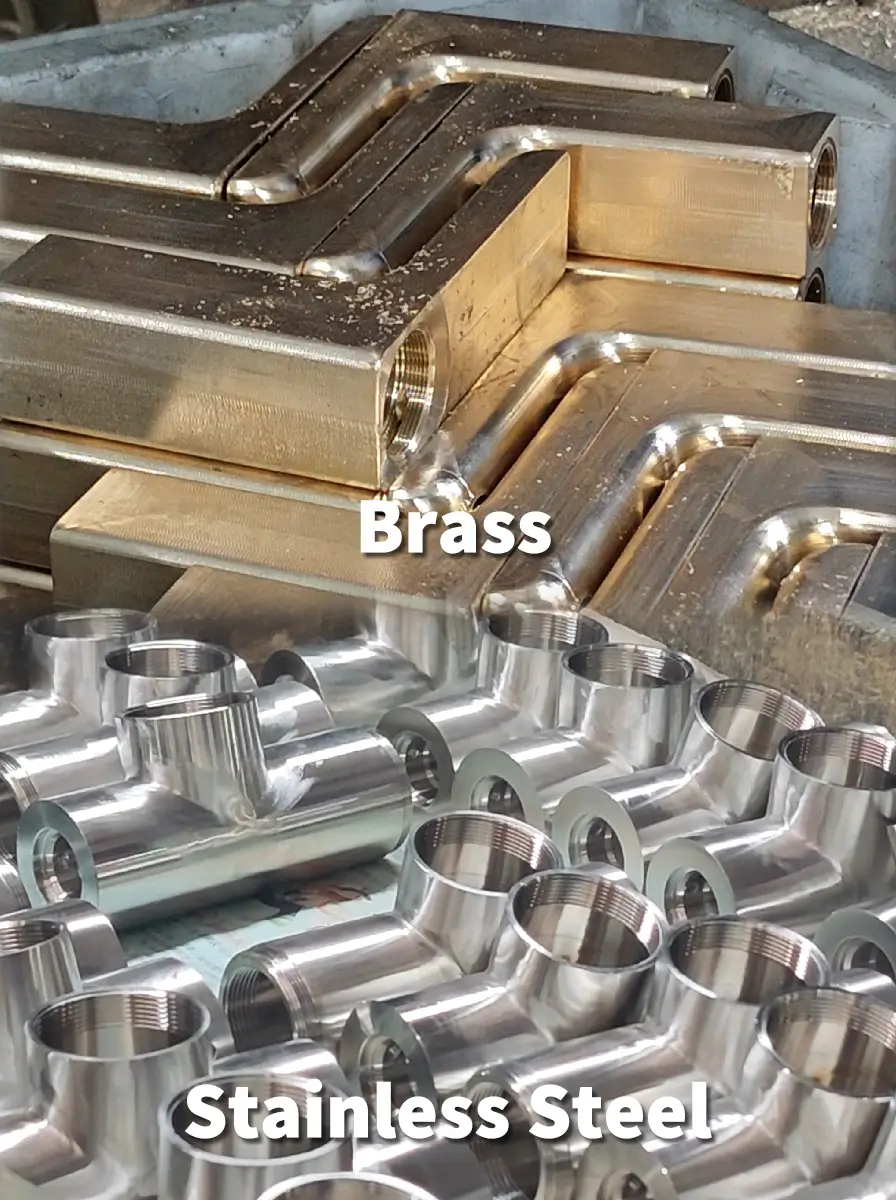
The faucet body is 60-70% of the product's raw material cost, which makes it the most common place for cost-cutting. Three materials dominate the market, and the differences matter:
- H59 / H62 Brass — The industry standard for mid-to-premium faucets. H59 contains roughly 58-61% copper, machinable, corrosion-resistant, and naturally antimicrobial. It accepts chrome plating exceptionally well.
- Stainless Steel (304 / 316) — 100% lead-free by composition, more scratch-resistant, and the preferred choice for lead-sensitive markets and outdoor or coastal installations. 316 resists chloride corrosion better than 304.
- Zinc Alloy (ZAMAK) — Cheaper and lighter, but weaker, shorter-lived, and generally unsuitable for faucet bodies under pressure. It is sometimes used for handles or decorative covers — never for the pressurized body.
⚠️ How to spot a material problem
A zinc-alloy body plated to look like brass will feel noticeably lighter and cooler to the touch. Ask your supplier for a material certificate (spectrometer analysis report) for the alloy batch — a legitimate manufacturer will provide one without hesitation. Recycled brass is not automatically a problem, but the copper content and lead content must still meet your market's drinking-water rules.
Certifications: What You Actually Need for Europe
There is no single "European faucet certification." Requirements differ by country, and mixing up product approvals with management-system certificates is a common sourcing mistake. Here's the distinction:
Product approvals — the ones your market requires
| Certification | Market | What it covers |
|---|---|---|
| ACS | France | Attestation de Conformité Sanitaire — drinking-water contact safety |
| DVGW | Germany | German gas & water association approval for plumbing components |
| WRAS | United Kingdom | Water Regulations Approval Scheme — compliance with UK water regs |
| CE | EU (general) | Baseline conformity marking for products sold in the EU |
| GOST | Russia & CIS / Eurasia | Conformity with the GOST standard system used across Russia and CIS/Eurasian markets |
| WaterMark | Australia | Plumbing product approval required for the Australian market |
Management & social compliance — supplier quality signals
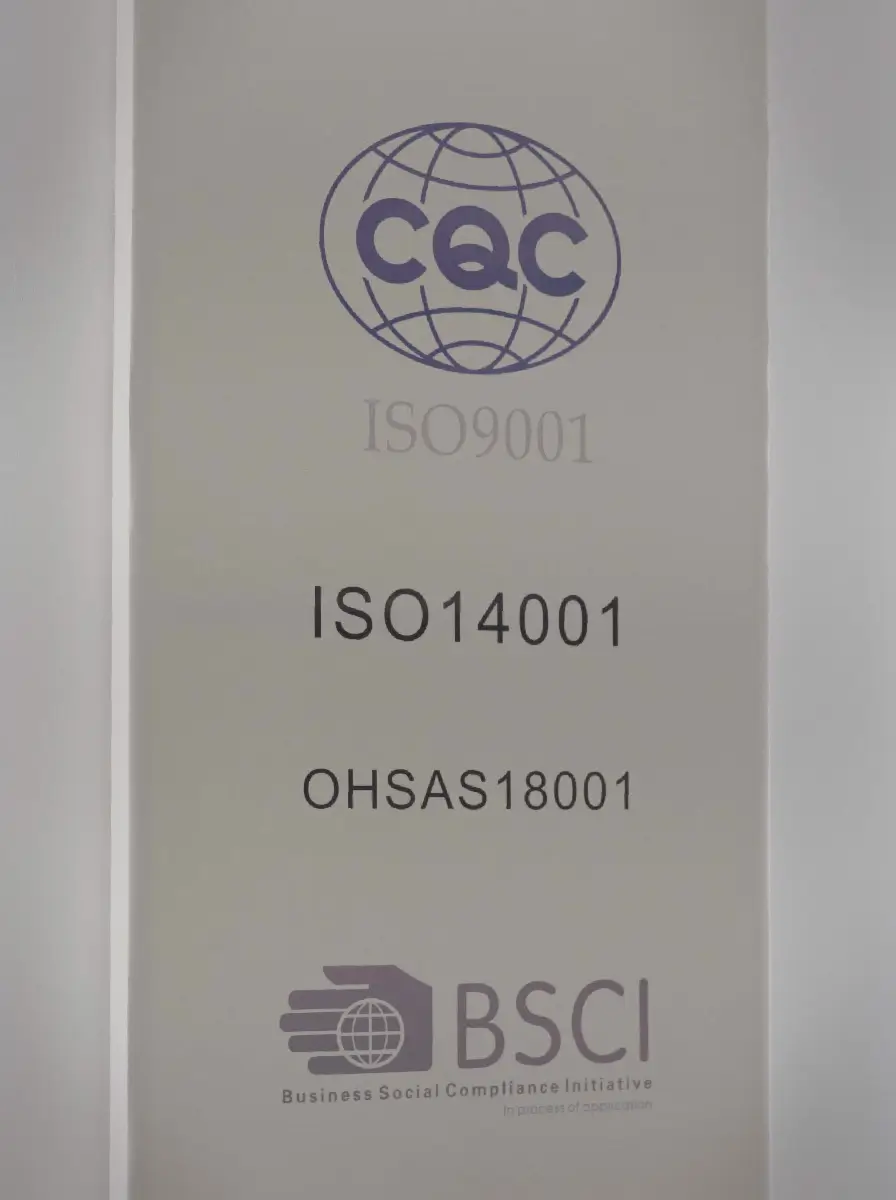
ISO 9001 (quality), ISO 14001 (environment), OHSAS 18001 (occupational health & safety), BSCI and Sedex (social compliance audits), and CNAS (accredited laboratory capability) don't replace product approvals — but they tell you the factory is systematically managed, which matters when you're ordering at volume and can't inspect every carton yourself.
One regulation every buyer should know: the EU Drinking Water Directive (EU) 2020/2184 lowered the lead limit in drinking water contact materials to 5 µg/L. If you sell into the EU, confirm your supplier tests wetted parts against this threshold — it's the single most common compliance failure for brass faucets entering Europe.
The Cartridge: Where Faucet Quality Is Actually Decided
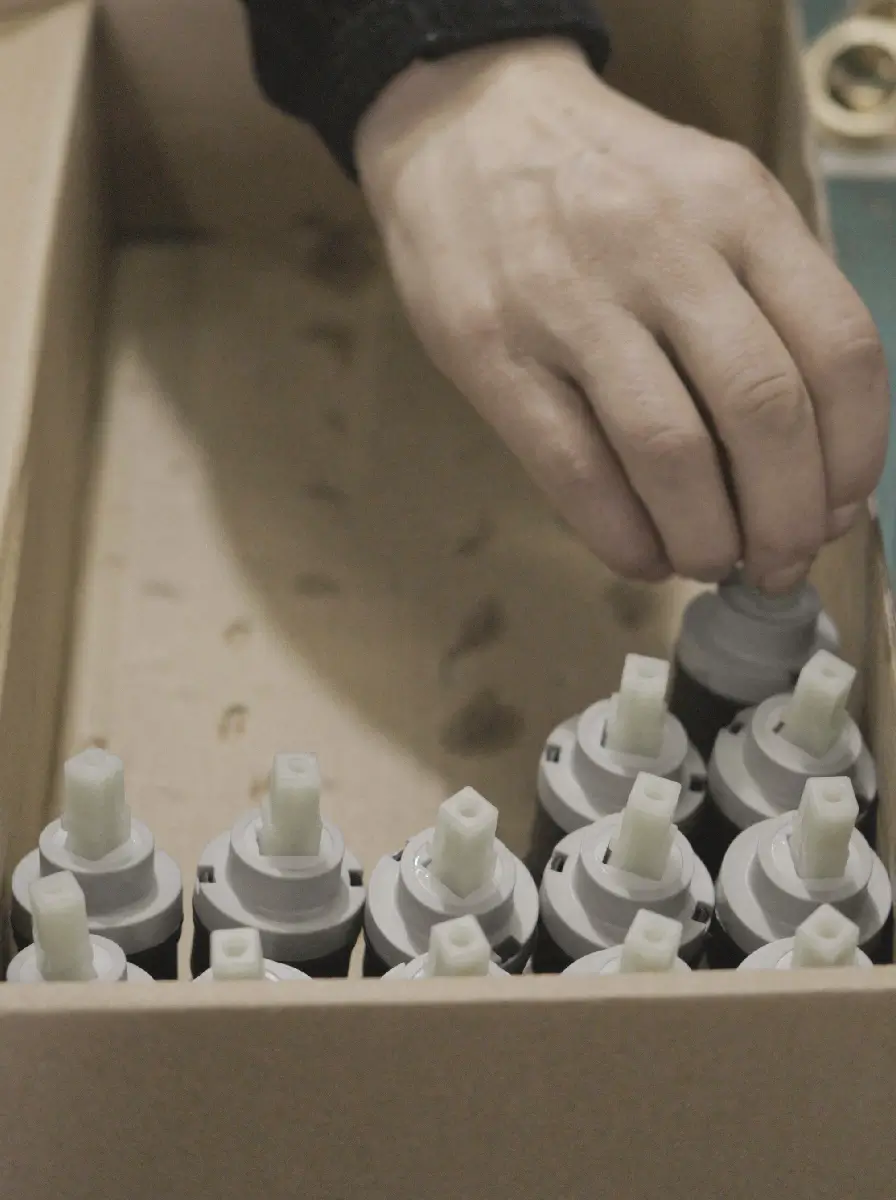
The body determines how long a faucet survives physically; the ceramic cartridge determines how long it works — see our full breakdown of faucet anatomy and parts for a component-by-component look. Key points for procurement:
- Ceramic disc cartridge — the standard for any product positioned above entry level. Quality aluminum-oxide discs, diamond-polished to mirror flatness, are rated for 500,000+ cycles (roughly 15+ years of daily use).
- Brand-name cartridges (Sedal, Kerox, Citec and similar) vs. unbranded alternatives — ask which one is fitted. Reputable factories use different cartridge brands depending on customer requirements and target price point, so confirm the specification in your order contract rather than assuming. Branded cartridges cost a few dollars more but dramatically reduce warranty claims.
- Compression (washer) cartridges — only acceptable for very low price points; they wear out in a fraction of the time and generate the majority of drip complaints.
A Practical QC Checklist Before You Confirm an Order
You don't need to be an engineer to run a meaningful inspection. These are the checks that catch the most common factory defects:
- Plating adhesion test — cross-hatch cut on an inconspicuous area, tape pull, no flaking. Chrome over nickel over copper layers should not peel.
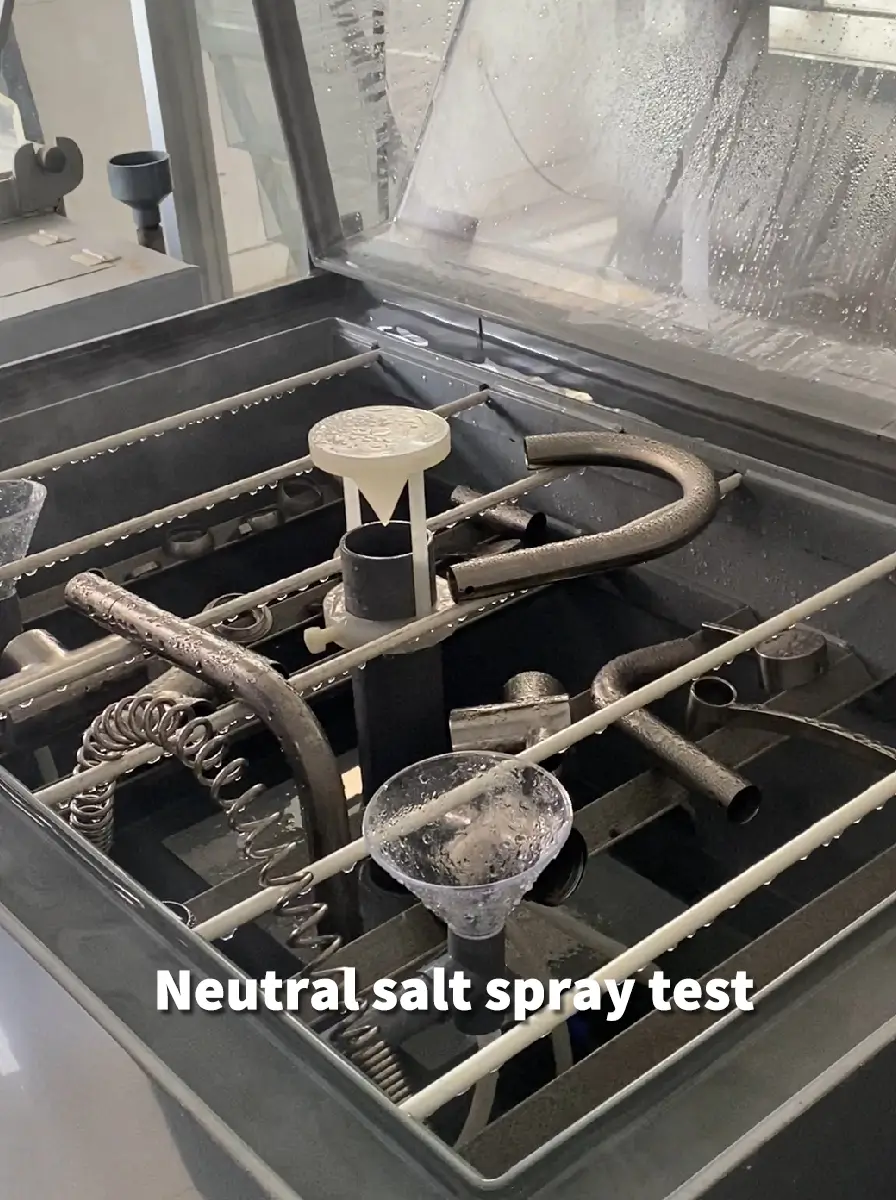
- Salt spray test report — ask for the hours achieved on your specific finish (standard bathroom spec is often 24-48h+ minimum depending on class; decorative finishes vary).
- Pressure & leak test — every unit or statistically sampled, at working pressure plus a safety margin; check body, cartridge seat, and connections.
- Flow rate check — confirm aerator output matches your market (EU common basin rates around 4-6 L/min depending on national rules; UK WRAS-related installations often 6 L/min at 1 bar).
- Handle torque & alignment — smooth lever action, no wobble, hot/cold marking correct for your market (note: direction can differ by region).
- Weight & material spot-check — compare against approved sample; any sudden weight drop usually means alloy substitution.
How to Evaluate a Faucet Manufacturer in China (Not Just a Trading Company)
Questions that separate manufacturers from resellers:
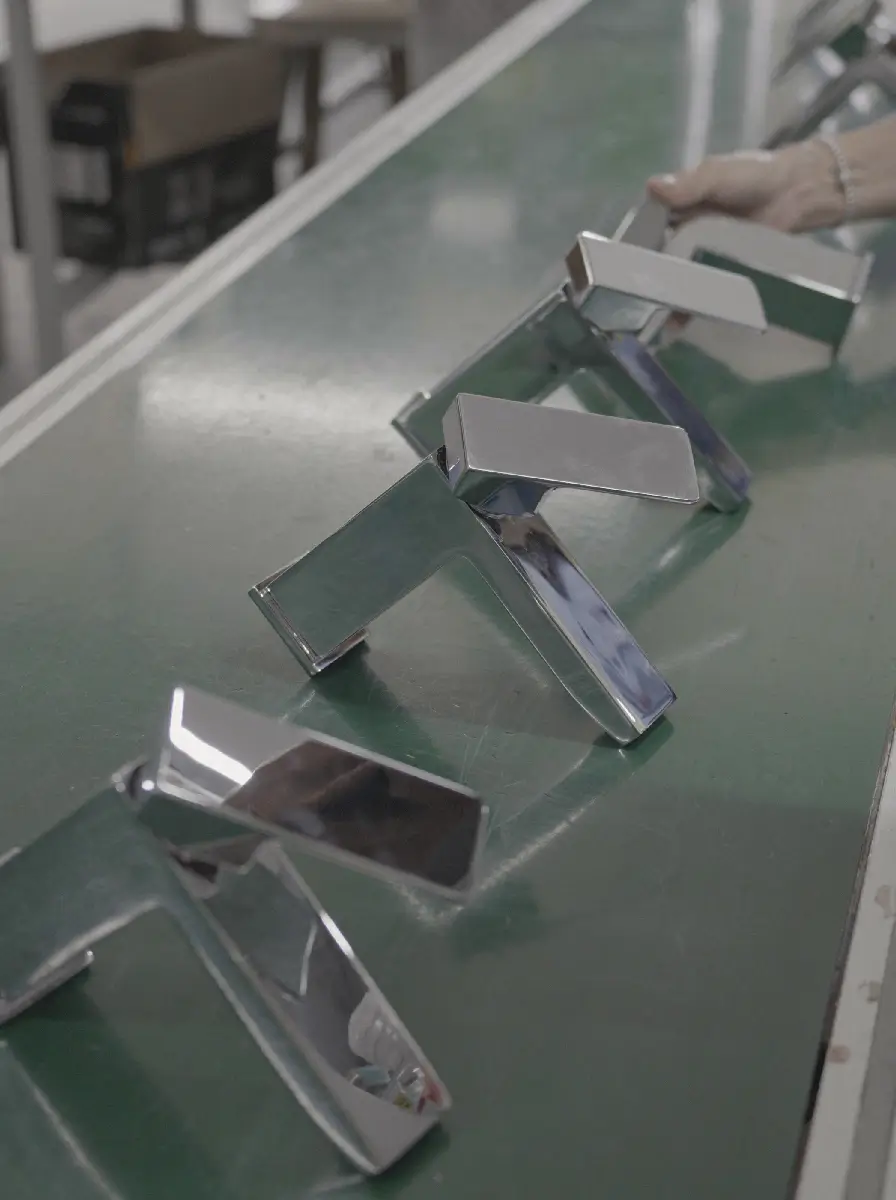
- Where is machining done — in-house? A real factory can show CNC lines, polishing, and assembly under one quality system, not just a rented showroom.
- Do they have an in-house laboratory? Plating tests, pressure tests, and water-sample testing done on site mean defects are caught before shipping, not after.
- What is the monthly capacity? Capacity tells you whether they can scale with your orders — and whether your order is important enough to them.
- Which markets do they export to? A supplier already shipping into regulatory-heavy markets (EU, UK, Australia) has already paid the cost of compliance — that experience transfers directly to your order.
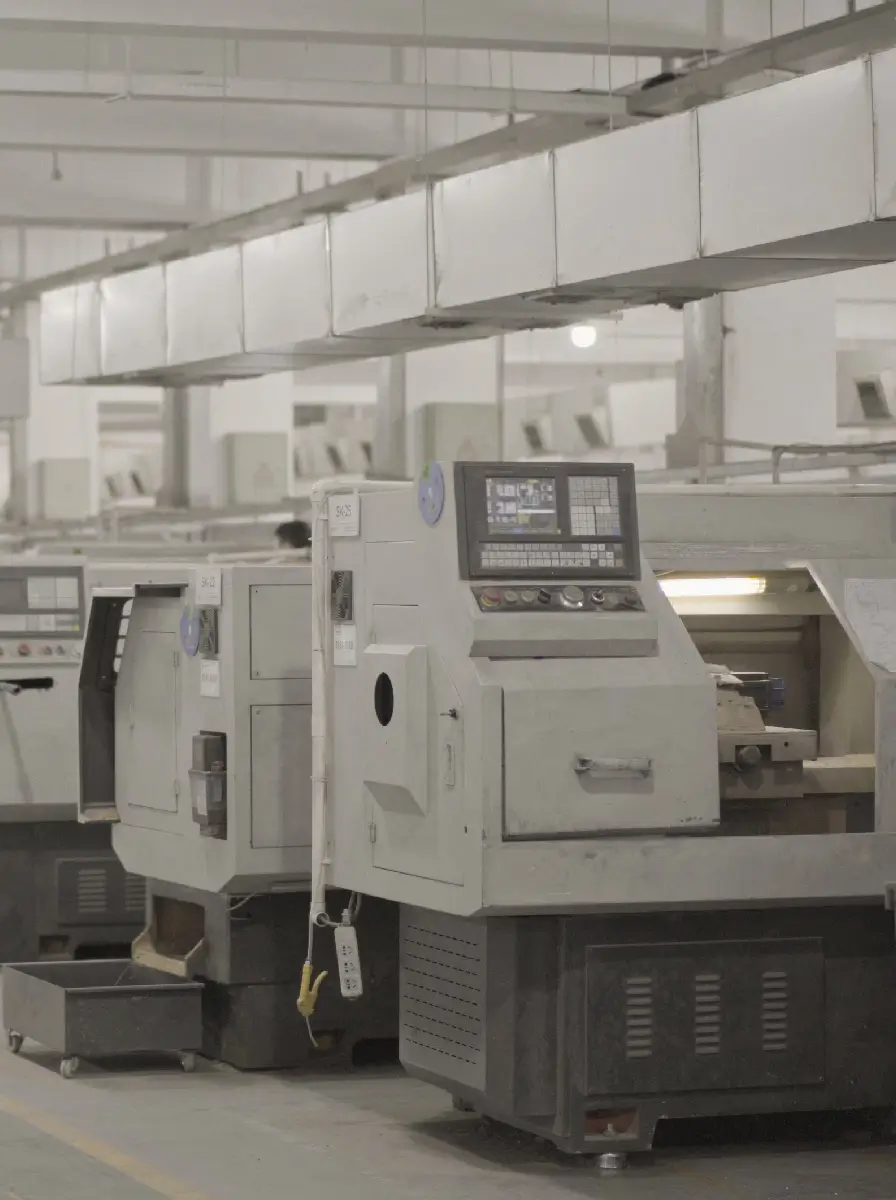
A reliable faucet manufacturer in China should be able to answer all four questions above with factory audits and test reports. Here is how Janedo measures up.
About Janedo — Brass & Stainless Steel Faucet Manufacturer
Janedo is a Chinese manufacturer of brass and stainless steel faucets, founded in 1997 with more than 25 years of export experience — a faucet manufacturer in China trusted by buyers across Europe, Russia, and Australia. Over the years the company has developed 130+ product series and over 1,200 faucet and accessory models, earning international recognition including 5 Red Dot Awards and 3 iF Design Awards for faucet design.
Janedo operates two production facilities totalling 26,800 m² — including a dedicated line for our concrete washbasins:
- Factory 1 — 18,000 m²: precision machining, polishing, final assembly, and an in-house laboratory for pressure, plating, and water-contact testing.
- Factory 2 — 8,800 m²: mould development, casting, and raw-body production.
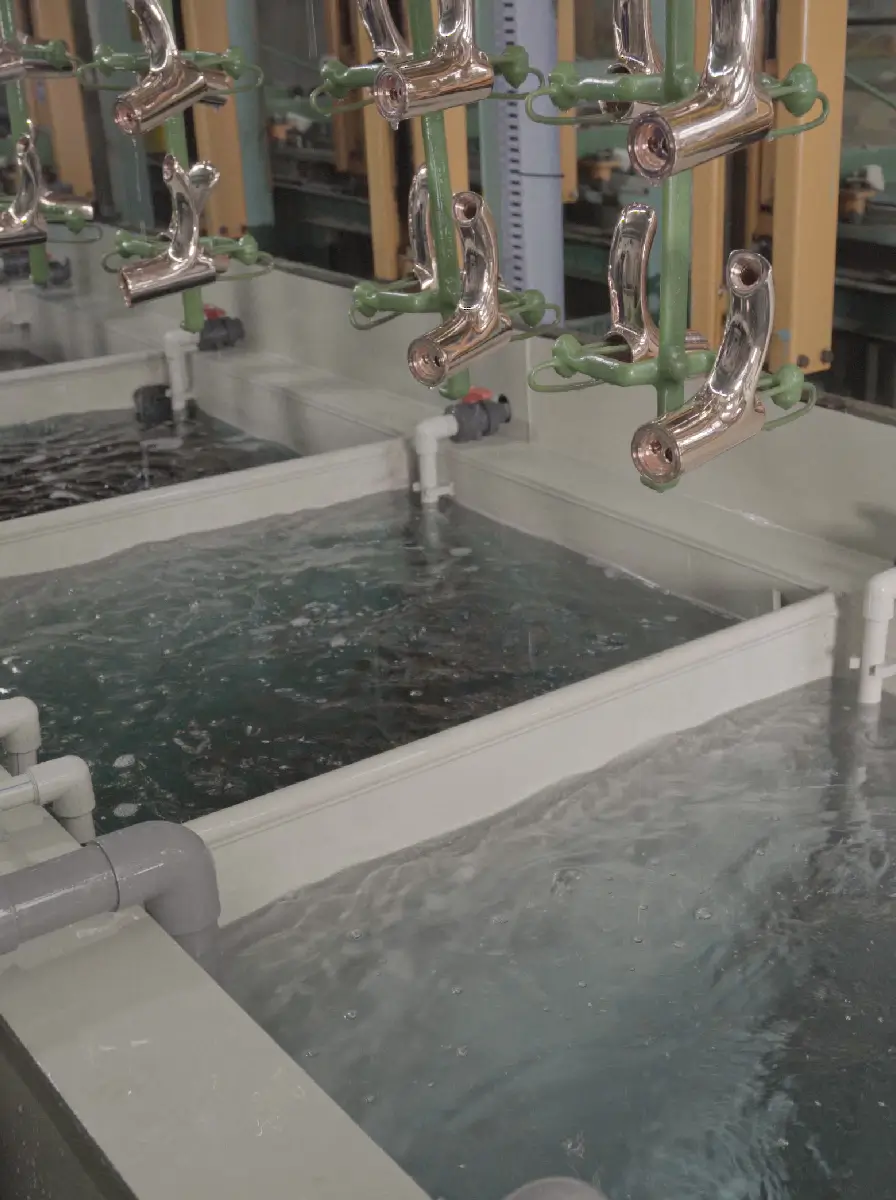
Production capacity reaches 300,000 faucets per month. Our main export markets are Europe (40%+), Russia (30%), Australia (15%), the UK (5%), and other regions — with established customers in Poland, Germany, and Algeria.
The company runs ERP and TPS management systems across production. System certifications include ISO 9001, ISO 14001, OHSAS 18001, and BSCI, with CNAS-accredited laboratory capability for in-house testing. Product approvals cover Europe and other export markets: DVGW (Germany), ACS (France), WRAS (UK), CE (EU), GOST (Russia & CIS), Sedex, and WaterMark (Australia).
Frequently Asked Questions
What certifications do I need to import faucets into the EU?
For the EU generally, CE marking applies, and drinking-water contact must meet the EU Drinking Water Directive (EU) 2020/2184 — including the 5 µg/L lead limit on wetted parts. Country-specific schemes matter too: ACS for France and DVGW for Germany are frequently required by distributors and project specifiers. Always confirm requirements with your importer or the relevant national authority.
How do I know if a faucet manufacturer in China is a real factory?
Ask three questions: Is machining done in-house? Is there an on-site laboratory for pressure and plating tests? Can they show production capacity and export records for regulated markets like the EU, UK, or Australia? Real manufacturers answer these with factory audits and test reports — trading companies redirect you to a third party.
What is the difference between brass and stainless steel faucets for drinking water?
Brass (H59/H62) is easier to machine into complex shapes and is the traditional standard for premium faucets, but lead content in the alloy must be controlled to meet drinking-water limits. Stainless steel 304/316 is inherently lead-free and more corrosion-resistant in coastal or chloride-rich environments. Both can be compliant — what matters is the alloy certificate and wetted-part testing against your market's standard.
What QC checks should I perform before shipping?
Six checks catch most problems: plating adhesion (cross-hatch tape test), salt spray report review, pressure/leak testing at working pressure plus margin, flow rate verification against your market's limit, handle torque and hot/cold alignment, and a weight comparison against your approved sample to detect alloy substitution.
What is a typical lead time for faucet orders from China?
Lead time depends on whether the models are existing catalogue items or custom tooling. Standard products ship faster; new moulds add development time in the casting stage. Confirm lead time together with deposit terms, and ask whether mould ownership is included in your order — it protects you if you ever need to switch suppliers.


